Blog Summary:
In this blog, we talk about how a heart transplant is offered only for end-stage heart failure, once medications, devices, and other heart surgeries have stopped working. Timing is critical; transplanting a patient too early or too late both lead to poorer outcomes, which is why the decision is made by an experienced team rather than a single doctor. This team includes heart failure physicians, transplant surgeons, transplant pharmacologists, intensivists, and infectious disease specialists, not just a surgeon. Reported outcomes include patients surviving 15-16 years after a heart transplant and 10-12 years after a lung transplant, among the best in Southeast Asia. Recovery involves ICU monitoring, lifelong anti-rejection medication, and long-term follow-up care, while key risks include organ rejection, infection (including drug-resistant infections), and surgical complications.
Hearing the words “you may need a heart transplant” is one of the most frightening moments a family can face. It usually comes after months, sometimes years, of managing heart failure, medications, hospital visits, and a heart that keeps struggling despite everything being tried.
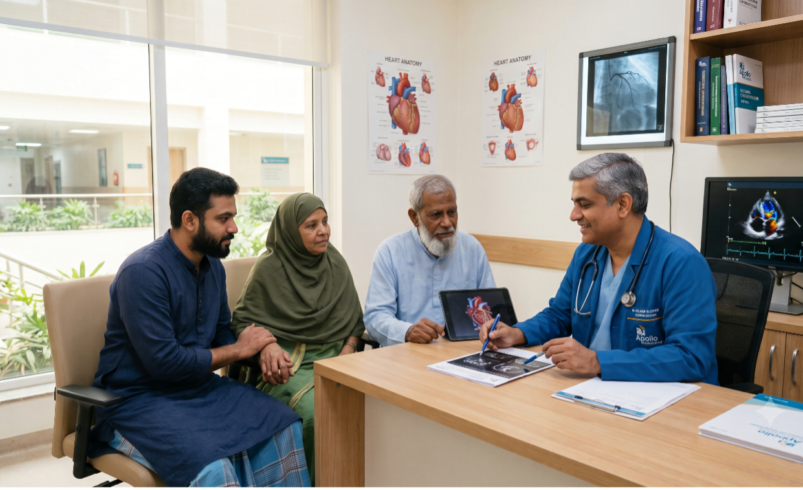
If your family is at this point & even Dr Kumud Kumar Dhital, Heart & lung transplant surgeon, has mentioned a transplant as a possibility, this guide is meant to explain things simply: what a heart transplant actually involves, who really needs one, what the risks are, and what recovery looks like. No jargon, no rushed decisions, just a clear picture so you can ask the right questions when you speak to a specialist.

What Is a Heart Transplant?
A heart transplant is a major surgery where a diseased, failing heart is replaced with a healthy heart from a deceased donor. It’s considered only when other treatments, medications, devices, or less invasive heart surgeries are no longer enough to keep the heart working properly. In medical terms, this stage is called end-stage heart failure.
It’s important to understand: a transplant isn’t the first option doctors reach for. It’s usually the last step, offered only when the heart truly cannot recover through other means.
Who Actually Needs a Heart Transplant?
This is where good cardiac care makes a real difference, knowing exactly when a transplant is needed and, just as importantly, when it isn’t.
As one senior heart transplant specialist explains it, the goal is to identify patients in the right “window” for transplantation: not too early, and not too late.
“We do not transplant patients too early, but at the same time, we try to prevent patients from having transplants too late, where the outcomes are poor,” says the specialist, who has been involved with heart transplantation since the program’s early years. “This has been the hallmark of our team, using best practices and avoiding transplanting patients who don’t really need it and who can instead be helped either by medication alone or non-transplant surgeries, such as high-risk coronary bypass or valve procedures.”
In other words, a good transplant team will explore every alternative first, medications, bypass surgery, and valve repair, before recommending a transplant. If you’re told your case might need one, it’s worth asking directly: have all other options been ruled out?
Who’s Involved in a Heart Transplant? It’s Not Just the Surgeon
One thing that surprises a lot of families is how many specialists are actually involved in a single heart transplant. It’s not just a surgeon operating; it’s a large, interdisciplinary team that includes the following:
- Heart failure physicians, who manage the patient’s condition before and after transplant
- Transplant surgeons, who operate itself
- Transplant pharmacologists, who manage the complex medications needed to prevent organ rejection
- Intensive care specialists, who oversee critical recovery in the ICU
- Infectious disease specialists, increasingly important in an era of drug-resistant infections
This team works together for months, sometimes years, before and after the actual surgery, not just on the day of the transplant.
The Heart Transplant Journey: Procedure, Step by Step
- Evaluation and extensive testing to confirm a transplant is the right option, and that the patient is medically fit for major surgery
- Waiting period, time on the donor waiting list, during which the patient is closely monitored
- During the surgery, the diseased heart is removed and replaced with a healthy donor heart, typically taking several hours
- Recovery in the ICU, close monitoring for the first days after surgery
- Post-transplant medication, lifelong medication to prevent the body from rejecting the new heart
- Long-term care, regular checkups, monitoring for infection or rejection, and lifestyle adjustments to protect the new heart

What are the risks of heart transplants?
Dr Kumud Kumar Dhital, Heart & Lung Transplant Surgeon, said, ‘Like any major surgery, a heart transplant carries real risks, and it’s important to go in with clear eyes rather than just hope.’
- Organ rejection occurs when the body’s immune system attacks the new heart, which is why lifelong medication is required
- Because anti-rejection medication weakens the immune system, patients are more vulnerable to infections, including drug-resistant ones
- Surgical complications, as with any major operation, are risks during and immediately after surgery
- A long recovery period, full recovery, and adjustment to a new medication routine take time and patience
The good news: with an experienced team and the right post-transplant care, outcomes have improved significantly over the years.
What Recovery and Life After Transplant Actually Look Like
This is often the most reassuring part for families once they understand it. Heart transplant outcomes have improved dramatically with experienced teams; some patients are now living well over a decade after their transplant.
“We now have one of the best outcomes in the whole of Southeast Asia for both heart and lung transplantation,” notes the specialist. “We have patients over 15, 16 years post-heart transplant and over 10, 11, 12 years even after lung transplantation.”
That kind of long-term survival isn’t automatic; it comes down to three things: being transplanted at the right time (not too early and not too late); an experienced multidisciplinary team; and consistent long-term follow-up care afterward.
Questions to Ask Before Considering Treatment in India
If a heart transplant has been mentioned for you or a family member, and you’re exploring options in India, here are a few honest questions worth asking any hospital or specialist before deciding:
- How many heart transplants has this team performed, and what are their long-term survival outcomes?
- Have all non-transplant options genuinely been explored first?
- What does the post-transplant follow-up look like once I return to Bangladesh?
- What is realistically involved: the timeline, evaluation process, and costs?
A second opinion from an experienced cardiac team is often the most valuable first step, even before deciding whether to travel for treatment at all.
You Don’t Have to Navigate This Alone
A heart transplant is a life-changing decision, and it’s normal to have more questions than answers right now. Speaking with an experienced heart failure specialist for a proper evaluation and, if you already have one, a second opinion is usually the most useful next step for any Bangladeshi family facing this situation.
Doctor’s name: Dr Kumud Kumar Dhital, Heart & Lung Transplant Surgeon, Program & Surgical Director, Heart & Lung Transplantation and MCS at the Institutes of Heart-Lung Transplant & MCS, Apollo Hospitals.)